
Your home has been on the market for a few weeks. The photos looked fine. You priced it reasonably. But the showings and offers aren’t coming. That experience is more common than most sellers expect, and it’s not always about price.
Connecticut buyers make emotional decisions quickly. Research from the National Association of REALTORS® shows that 83% of buyer’s agents say staging makes it easier for buyers to picture a home as their own. When a home doesn’t help buyers imagine themselves living there, they move on.
The good news is you don’t need a large budget or a professional designer to make a meaningful difference. Most of the home staging tips in this guide require time and effort, not necessarily money.
If you apply them consistently before your listing goes live, you put your home in a noticeably stronger position from day one.

Before we get into specifics, it helps to understand what staging is trying to accomplish.
Staging removes anything that slows a buyer down mentally: clutter, personal photos, unusual furniture arrangements, strong smells, and deferred repairs. With those distractions gone, buyers can focus on the space rather than everything inside it.
Staged homes consistently spend less time on the market than unstaged ones. Professionally staged homes average a much shorter time on the market than unstaged homes. Even partial staging, focused only on key rooms, shortens that timeline.
According to NAR data, buyers evaluate the living room, primary bedroom, and kitchen most carefully. Those are the spaces where your staging effort will have the greatest return, especially if you’re working with limited time.
Most buyers make a first judgment before they walk through the door. In Connecticut, where colonial-style homes and wooded lots are common, the exterior impression matters most. A home that looks tired from the street brings buyers inside with lowered expectations.
Start by mowing, edging, and clearing debris. Trim back any overgrown shrubs that crowd the windows or block the walkway. Power wash the driveway, front path, and siding if needed.
Replace the doormat. Wipe down the front door and consider repainting it if it’s faded or chipped. A clean, freshly painted door is one of the highest-return staging investments. Add a simple planter with seasonal flowers on either side of the entry.
Connecticut’s seasons change quickly, and what looks good in June can look rough by October.
Match your curb appeal to the time of year: spring bulbs and mulch in spring, maintained grass and annuals in summer, mums and raked leaves in fall, cleared walkways and a simple evergreen wreath in winter. Buyers notice when sellers keep up with the season.
Sellers most often underestimate this step, and it’s the one that makes the biggest difference. Buyers need to see your home, not your life inside it.
Go room by room and remove anything that doesn’t need to be there: extra furniture, decorative collections, stacks of books and magazines, children’s artwork on the refrigerator, personal photographs on every surface. The goal is for each room to feel spacious and calm.
A useful standard for closets: aim for them to look about 70% full. Buyers always open closets, and a packed closet signals a lack of storage space even if your home has plenty of it.
Family photos, religious items, political décor, and anything that strongly reflects your personal identity should come down. This isn’t a judgment on those things. It’s simply that buyers find it harder to picture themselves in a home that still feels deeply like someone else’s.
No amount of staging compensates for a home that doesn’t feel clean. Buyers notice odors, smudged windows, dirty grout, and dust immediately, and it affects how they feel about everything else.
Wash windows inside and out. Scrub bathrooms until the grout is white and the fixtures shine. Clean the oven and inside the refrigerator if it’s staying. Steam clean carpets. Wipe down baseboards, light switch plates, and cabinet fronts. These small details add up to an overall impression of a home that’s been well cared for.
Odor is the one thing buyers can’t unsee once they notice it. Pet odors, cooking smells, and mustiness are among the most common reasons buyers leave a showing with a negative impression they can’t quite articulate. Don’t mask odors with heavy air fresheners.
Find the source and eliminate it. Open windows when possible. A clean, neutral-smelling home is almost always more appealing than one that smells aggressively of candles or sprays.
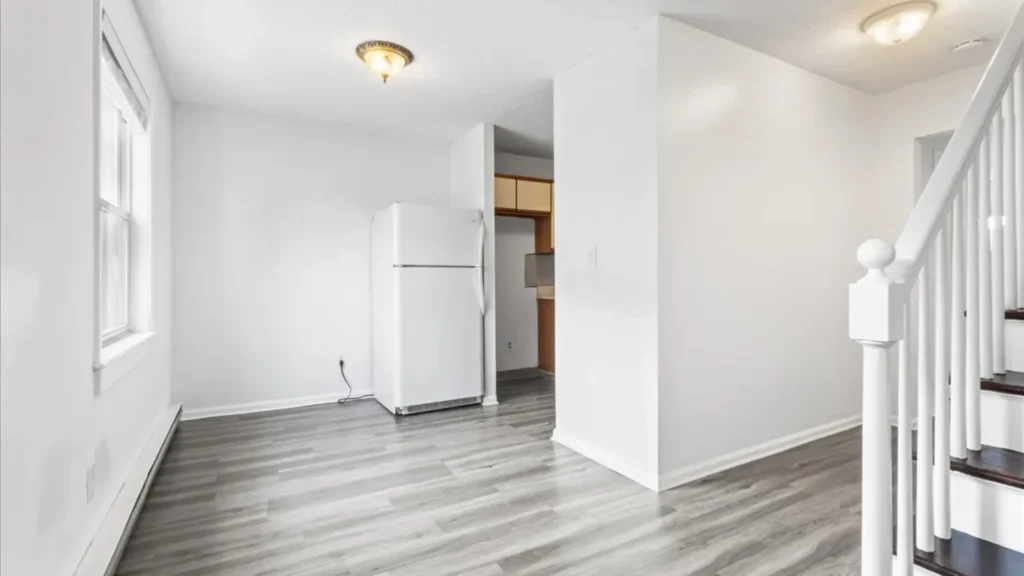
How furniture is positioned affects how large a room feels and how easily buyers can move through it. Many sellers have furniture arrangements that made sense for how they lived in the space but don’t work well for a showing.
Each room should have an obvious path through it. If someone has to navigate around the edge of a couch or squeeze past a chair, the room feels smaller than it is. Pull furniture away from walls slightly rather than pushing it flush. Counterintuitively, this often makes a room feel more spacious, not less.
A room with fewer, well-placed pieces almost always shows better than a room packed with furniture. If you have a piece that’s blocking a window, crowding an entryway, or making a room feel tight, put it in storage before you list.
Connecticut homes, especially older colonials and capes, often have smaller windows than more modern construction. Maximizing light in these homes matters.
Remove heavy drapes and replace them with lighter treatments, or take them down entirely if the window covering underneath is clean. Clean windows thoroughly, because dirty glass noticeably cuts the amount of light that comes through.
During showings, open every blind and curtain. Turn on all interior lights before buyers arrive, including lamps and under-cabinet kitchen lighting. A well-lit home photographs better and feels more welcoming in person.
Check every fixture and lamp to ensure the bulbs match in color temperature. Warm white, around 2700K, tends to read as inviting rather than clinical. Replace any burned-out bulbs before the first showing.
You don’t have to stage every room equally. Focus your energy where buyers spend the most mental effort during a showing.
Kitchens close deals. Clear all countertops down to one or two items. A coffee maker and a bowl of fruit are plenty. Remove the dish rack, paper towel holder, and anything stored on top of the refrigerator.
Degrease the range hood and cabinet fronts. If the hardware is dated and inexpensive to replace, new pulls and knobs make a real difference for a small investment.
If you’re not painting the whole kitchen, paint the walls. A fresh neutral coat covers years of cooking residue and immediately brightens the space.
This room should feel like a retreat. Strip it back to a well-made bed, minimal side table items, and clear surfaces. If the comforter is worn or heavily patterned, invest in a simple, neutral duvet cover. Remove extra furniture that’s making the room feel crowded.
Bathrooms should look and feel spotless. Put away all personal care products, including shampoos, razors, and toothbrushes, and replace them with a single set of neatly folded white towels. A clean shower curtain or liner, an uncluttered vanity, and a spotless mirror go a long way.
You don’t need to repaint every room before listing, but fresh paint where it’s needed is one of the most cost-effective home staging tips for sellers.
Start with rooms with bold, unusual colors, heavy scuffs, or visible wear. A warm neutral such as greige, soft white, or light gray will read as clean and move-in ready to the widest range of buyers. Avoid stark white in Connecticut’s older homes, which can feel cold rather than clean.
Touch up baseboards, trim, and any scuffed door frames. These small repairs are cheap, quick, and they prevent buyers from building a mental list of things that need attention.
Home staging isn’t about impressing buyers with expensive furniture or elaborate décor. It’s about presenting your home clearly, without clutter, odor, worn paint, or awkward layouts getting in the way of a buyer’s decision.
The home staging tips to sell faster covered in this guide don’t require a large budget. Most require time, effort, and a willingness to see your home the way a buyer will. Start with the exterior, declutter every room, clean thoroughly, arrange furniture to show the space at its best, and focus extra attention on the kitchen, primary bedroom, and bathrooms.
If you’re preparing to sell in Connecticut and want a second set of eyes before you list, a pre-listing consultation is exactly what you need.
Staging is one part of a well-planned sale. Reach out to Steph to talk through pricing, timing, and how to position your home for the buyers most likely to make strong offers in your area.
Stephanie Rush is a REALTOR® with RE/MAX Legends serving buyers, sellers, and relocating clients throughout Southeastern Connecticut and nearby Rhode Island communities.
Licensed in Connecticut and Rhode Island, she helps clients navigate everything from their first home purchase to luxury real estate. With more than five years of experience, Stephanie combines local market knowledge with a working understanding of real estate finance to evaluate opportunities and negotiate in her clients’ best interests.